
Compare Dog Breeds
Choose up to 4 dog breeds to see their stats side by side.

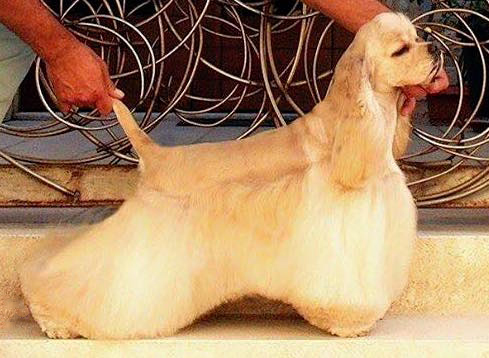
- Ideal Weight
- 5.9-8.2 kg
- 12-16 kg
- Height
- 30-33 cm
- 34-39 cm
- Activity Level
- Moderate (Daily Walks)
- Moderate (Daily Walks)
- Life Expectancy
- 9-14 yrs
- 10-14 yrs
- Feeding Needs
- Cavaliers are prone to obesity, so portion control is essential; follow age-appropriate feeding guidelines and avoid overfeeding treats. Two measured meals per day are recommended rather than free-feeding. High-quality food with controlled calorie density helps maintain a healthy weight.
- Cocker Spaniels are prone to obesity, so portion control and avoiding excess treats are essential. A high-quality diet formulated for medium breeds, fed in two measured meals per day, helps maintain healthy body weight. Their long, pendulous ears can dip into food bowls, so narrow or elevated dishes are often recommended.
- Water Needs
- Cavaliers have moderate hydration needs; ensure fresh water is always available, especially after exercise or in warm weather as they can be sensitive to heat.
- Cocker Spaniels need consistent access to fresh water; their long ears may also dip into water bowls, so a narrow or elevated bowl helps keep ears dry and reduces infection risk.
- Exercise Needs
- Cavaliers need about 30–40 minutes of moderate exercise daily, such as brisk walks and off-leash play. They enjoy interactive games and gentle hikes but should not be over-exerted in hot weather due to their somewhat flattened face.
- Cocker Spaniels need moderate daily exercise — around 30–60 minutes of walking, play, or light field activities. They enjoy sniffing games and retrieving, which engage their sporting instincts. Avoid over-exercise in hot weather as they can be sensitive to heat.
- Common Health Issues
- Mitral Valve Disease (MVD), Syringomyelia, Hip Dysplasia, Ear Infections
- Ear Infections, Progressive Retinal Atrophy, Hip Dysplasia, Cataracts, Autoimmune Hemolytic Anemia
Medical Disclaimer
This tool provides general, educational estimates and is not a substitute for professional veterinary advice, diagnosis, or treatment. Breed comparisons are general guidance based on typical breed standards and vary by individual dog or cat. Always consult your veterinarian about your pet's specific health needs before making changes to their diet, water intake, or care routine.