Compare Dog Breeds
Choose up to 4 dog breeds to see their stats side by side.
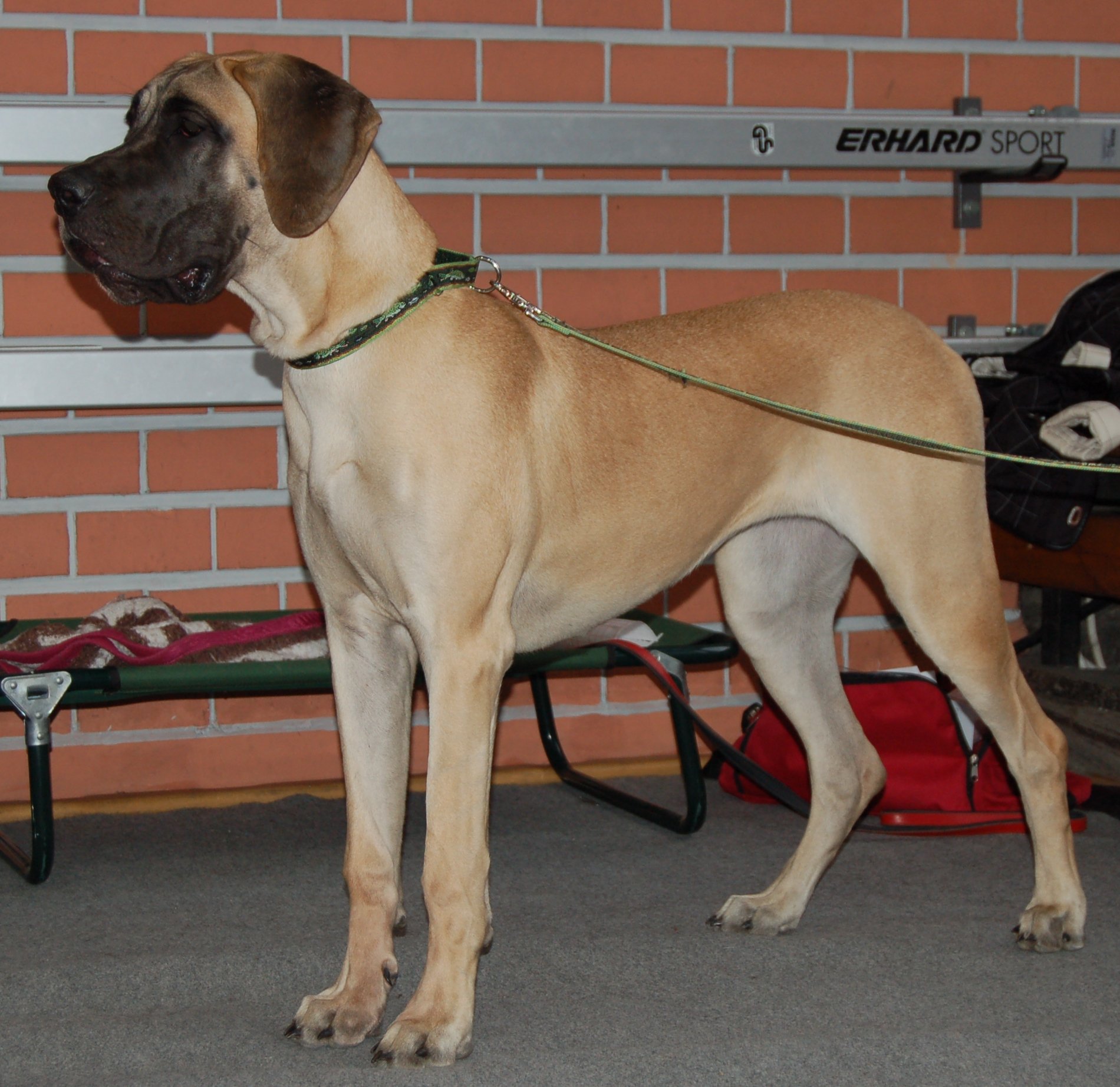

- Ideal Weight
- 45-90 kg
- 54-100 kg
- Height
- 71-81 cm
- 70-91 cm
- Activity Level
- Moderate (Daily Walks)
- Low (Couch Potato)
- Life Expectancy
- 7-10 yrs
- 6-10 yrs
- Feeding Needs
- Great Danes are highly susceptible to bloat (gastric dilatation-volvulus), so they must always be fed two or three small meals per day rather than one large meal. Exercise before and after meals should be strictly avoided. A diet formulated for large/giant breeds is important to support joint health and controlled growth in puppies.
- Mastiffs require a large-breed diet formulated to support their enormous frame without promoting excessive rapid growth, which can stress joints. Portion control is critical as they are prone to obesity given their relatively low activity levels. Two meals per day are strongly recommended to reduce the risk of bloat (gastric dilatation-volvulus), to which giant breeds are susceptible.
- Water Needs
- Great Danes need a consistent supply of fresh water due to their large body mass; hydration is especially important after any physical activity.
- Mastiffs drool heavily and should have access to fresh, clean water at all times. Their large body mass and susceptibility to overheating mean hydration is especially important during warm weather and after any exercise.
- Exercise Needs
- Great Danes need moderate daily exercise — around 30–60 minutes of walking or gentle play. High-impact exercise should be limited, especially in puppies, to protect developing joints and reduce the risk of orthopedic issues.
- Despite their size, Mastiffs have moderate-to-low exercise needs — around 30–45 minutes of gentle daily walking is sufficient. Over-exercising puppies should be avoided to protect developing joints. As adults, leisurely walks and short play sessions keep them healthy and mentally satisfied.
- Common Health Issues
- Bloat (GDV), Dilated Cardiomyopathy, Hip Dysplasia, Osteosarcoma, Wobbler Syndrome
- Hip and Elbow Dysplasia, Bloat (Gastric Dilatation-Volvulus), Osteosarcoma, Heart Disease
Medical Disclaimer
This tool provides general, educational estimates and is not a substitute for professional veterinary advice, diagnosis, or treatment. Breed comparisons are general guidance based on typical breed standards and vary by individual dog or cat. Always consult your veterinarian about your pet's specific health needs before making changes to their diet, water intake, or care routine.