Compare Dog Breeds
Choose up to 4 dog breeds to see their stats side by side.

- Ideal Weight
- 35-60 kg
- 27-45 kg
- Height
- 56-69 cm
- 61-72 cm
- Activity Level
- High (Working/Athletic)
- High (Working/Athletic)
- Life Expectancy
- 9-10 yrs
- 10-12 yrs
- Feeding Needs
- Rottweilers are large, muscular dogs with a tendency to gain weight if under-exercised and overfed. Two measured meals per day rather than one large feeding helps reduce the risk of bloat, a condition deep-chested breeds are prone to. A high-protein, well-balanced diet supports their working muscle mass while avoiding excess calorie intake.
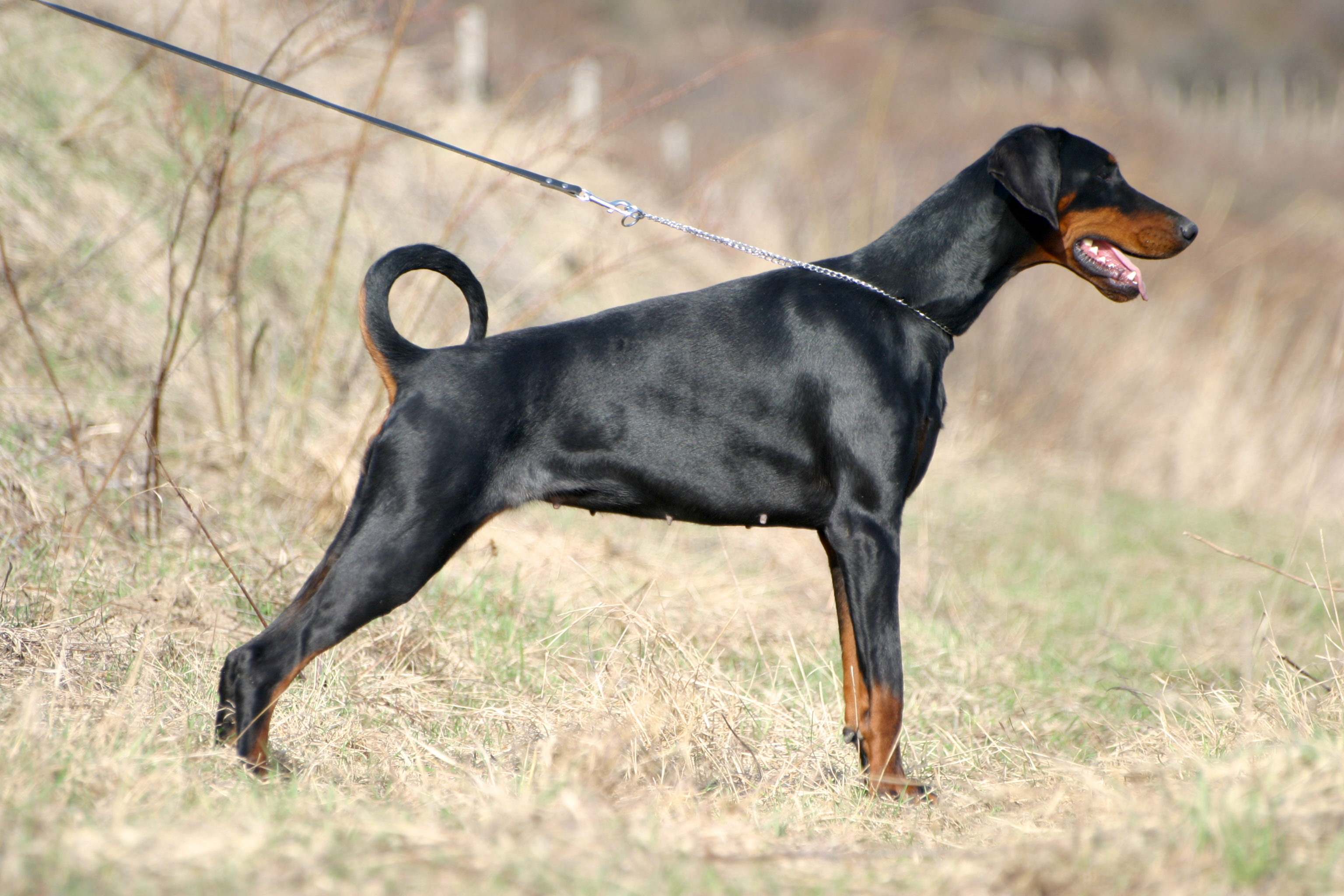
- Dobermans are large, active dogs requiring a high-quality, protein-rich diet to support muscle mass. Feed measured portions twice daily to reduce the risk of bloat (gastric dilatation-volvulus), a serious concern for deep-chested breeds. Avoid vigorous exercise immediately before or after meals.
- Water Needs
- Rottweilers are active and heavily muscled, requiring consistent access to fresh water throughout the day. In hot weather, their large body mass makes them more susceptible to heat exhaustion, so hydration before and after exercise is important.
- As a high-activity breed, Dobermans need consistent access to fresh water throughout the day, particularly after exercise sessions.
- Exercise Needs
- Rottweilers need at least 60–80 minutes of vigorous exercise daily along with structured mental engagement such as obedience training or weight-pulling. They are powerful working dogs that become bored and potentially destructive without sufficient activity. Early and ongoing training is essential for channeling their energy appropriately.
- Dobermans require at least 1–2 hours of vigorous daily exercise including running, agility, or structured play. Mental stimulation through training is equally important to prevent boredom-related destructive behaviors.
- Common Health Issues
- Hip and elbow dysplasia, Osteosarcoma (bone cancer), Bloat (GDV), Aortic stenosis
- Dilated Cardiomyopathy, Von Willebrand's Disease, Hip Dysplasia, Wobbler Syndrome
Medical Disclaimer
This tool provides general, educational estimates and is not a substitute for professional veterinary advice, diagnosis, or treatment. Breed comparisons are general guidance based on typical breed standards and vary by individual dog or cat. Always consult your veterinarian about your pet's specific health needs before making changes to their diet, water intake, or care routine.