
Compare Dog Breeds
Choose up to 4 dog breeds to see their stats side by side.
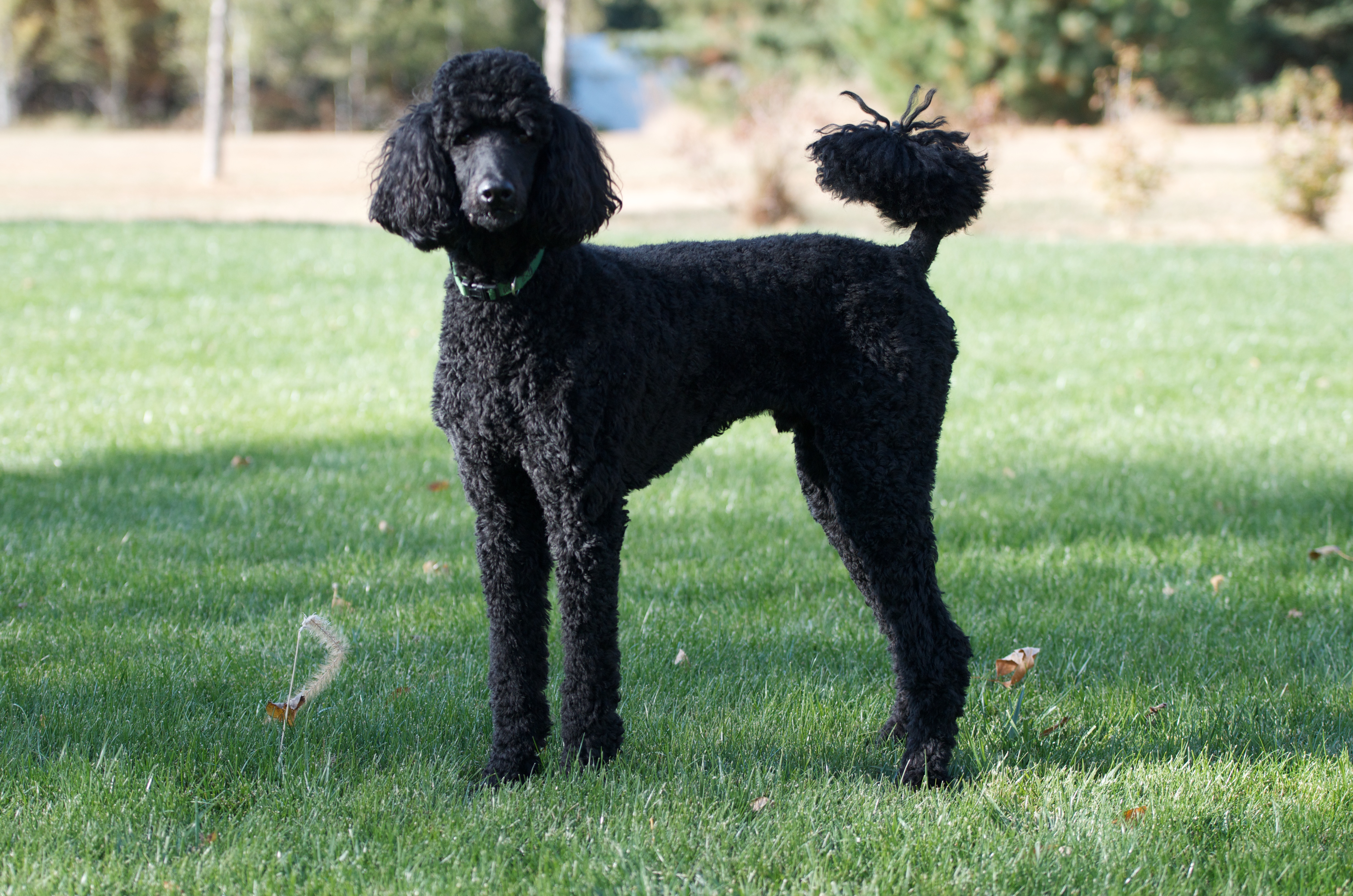
- Ideal Weight
- 20-32 kg
- 6-8 kg
- Height
- 45-62 cm
- 28-38 cm
- Activity Level
- High (Working/Athletic)
- Moderate (Daily Walks)
- Life Expectancy
- 12-15 yrs
- 13-15 yrs
- Feeding Needs
- Standard Poodles benefit from two measured meals per day to reduce the risk of bloat (GDV), to which deep-chested breeds are prone. They do well on a high-quality, protein-rich diet appropriate for large, active dogs. Avoid vigorous exercise for at least an hour before and after meals as a precautionary measure against bloat.
- Miniature Poodles should be fed measured portions twice daily to maintain a healthy weight—they can be prone to obesity if overfed. A high-quality diet formulated for small-to-medium breeds is appropriate. Dental health is important for this size, so incorporating dental-friendly kibble or regular dental chews is advisable.
- Water Needs
- Standard Poodles are energetic and athletic, requiring ample fresh water especially after exercise or mental activity. Their curly coat can retain heat, so hydration is particularly important in warmer months.
- Miniature Poodles are moderately active and should always have access to fresh water. They do not have the same heat vulnerability as brachycephalic breeds but benefit from extra hydration after energetic play sessions.
- Exercise Needs
- Standard Poodles require 60–90 minutes of daily exercise including both physical activity and mental stimulation. They thrive with swimming, running, fetch, and obedience or agility training. Without sufficient exercise and mental engagement, they can become restless or develop anxious behaviors.
- Miniature Poodles need around 30–60 minutes of exercise per day, combining walks, play, and mental enrichment activities. They are agile and enjoy learning tricks, agility courses, and interactive games. Adequate mental stimulation is as important as physical exercise for this highly intelligent breed.
- Common Health Issues
- Hip dysplasia, Bloat (GDV), Progressive retinal atrophy (PRA), Addison's disease
- Progressive retinal atrophy (PRA), Legg-Calvé-Perthes disease, Patellar luxation, Epilepsy
Medical Disclaimer
This tool provides general, educational estimates and is not a substitute for professional veterinary advice, diagnosis, or treatment. Breed comparisons are general guidance based on typical breed standards and vary by individual dog or cat. Always consult your veterinarian about your pet's specific health needs before making changes to their diet, water intake, or care routine.