Compare Cat Breeds
Choose up to 4 cat breeds to see their stats side by side.

- Ideal Weight
- 3.6-6.8 kg
- 3-5 kg
- Height
- 33-40 cm
- 20-25 cm
- Activity Level
- High (Working/Athletic)
- High (Working/Athletic)
- Life Expectancy
- 12-16 yrs
- 9-15 yrs
- Feeding Needs
- Bengals are muscular, active cats with high protein requirements that reflect their partly wild heritage. A raw or high-protein commercial diet is often recommended to match their energy needs. Free feeding is not advisable; structured mealtimes prevent overeating and keep them engaged with feeding routines.
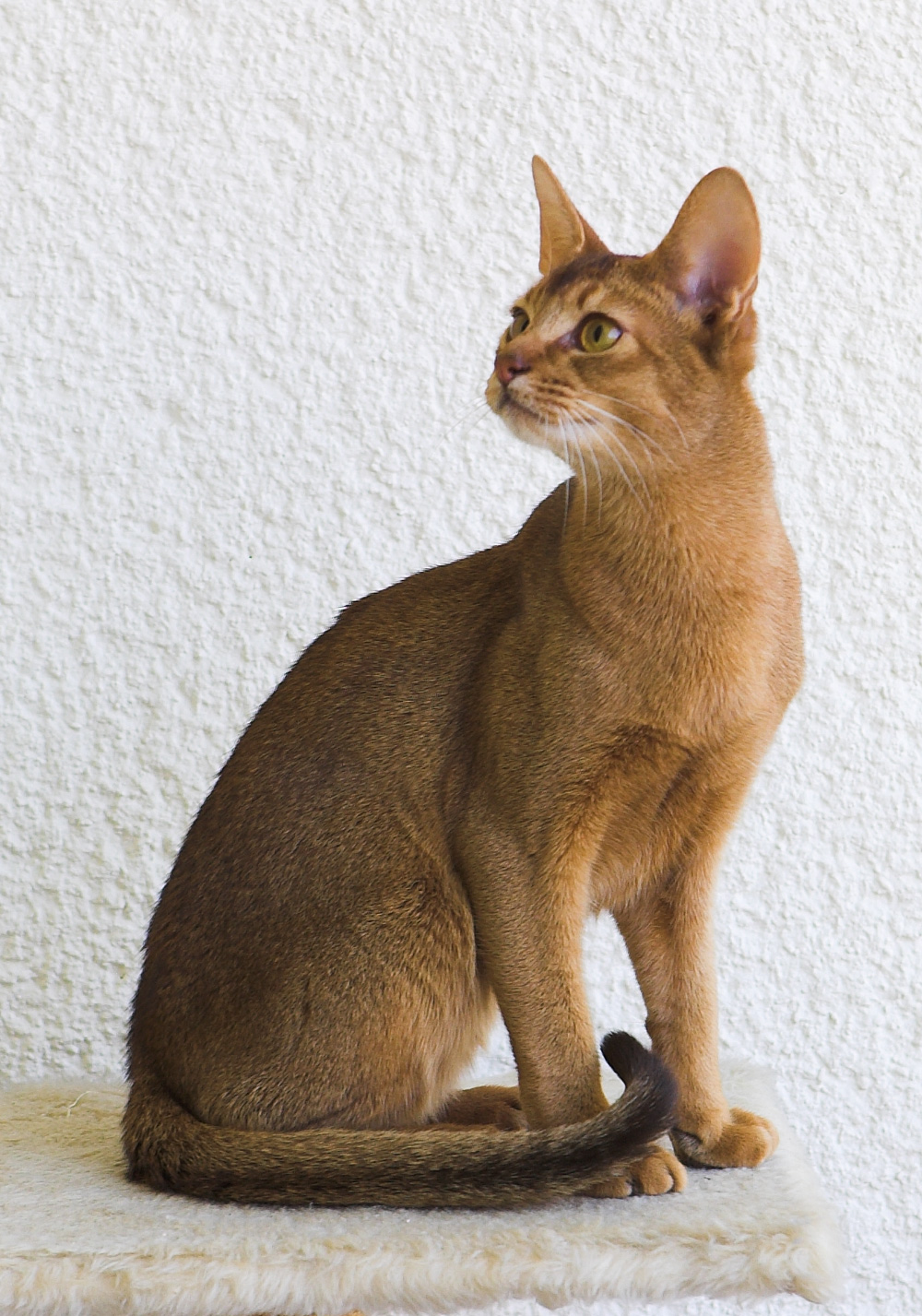
- Abyssinians have high metabolisms due to their active nature and typically do well with high-protein diets that fuel their energy. Despite their activity level, portion monitoring is still wise to avoid overfeeding. Puzzle feeders and food-dispensing toys align well with their curious nature.
- Water Needs
- Bengals are one of the few domestic cat breeds that are genuinely fascinated by water and may play in their water bowl or even a running tap. Fresh, clean water should always be available, and running water sources often encourage this breed to drink more frequently.
- Abyssinians are active cats that benefit from good hydration to support their kidneys and urinary tract. Fresh water available at all times is essential; fountains are often appreciated by this inquisitive breed.
- Exercise Needs
- Bengals need extensive daily exercise—at least 30–60 minutes of vigorous activity. They thrive with cat wheels, climbing walls, outdoor enclosures, and complex interactive play. Without adequate stimulation, Bengals may become destructive or develop behavioral issues.
- Abyssinians require significant daily exercise and mental stimulation—at least 30 minutes of active play per day. They love climbing, jumping, and interactive games; tall cat trees and tunnels are ideal. Without sufficient enrichment they may become destructive or anxious.
- Common Health Issues
- Progressive retinal atrophy (PRA-b), Hypertrophic cardiomyopathy, Bengal progressive atrophy, Flat-chested kitten syndrome, Tritrichomonas foetus susceptibility
- Progressive retinal atrophy (PRA), Renal amyloidosis, Pyruvate kinase deficiency, Dental disease, Hyperesthesia syndrome
Medical Disclaimer
This tool provides general, educational estimates and is not a substitute for professional veterinary advice, diagnosis, or treatment. Breed comparisons are general guidance based on typical breed standards and vary by individual dog or cat. Always consult your veterinarian about your pet's specific health needs before making changes to their diet, water intake, or care routine.