
Longhair · Rank #20 Most Popular Cat Breed
Himalayan
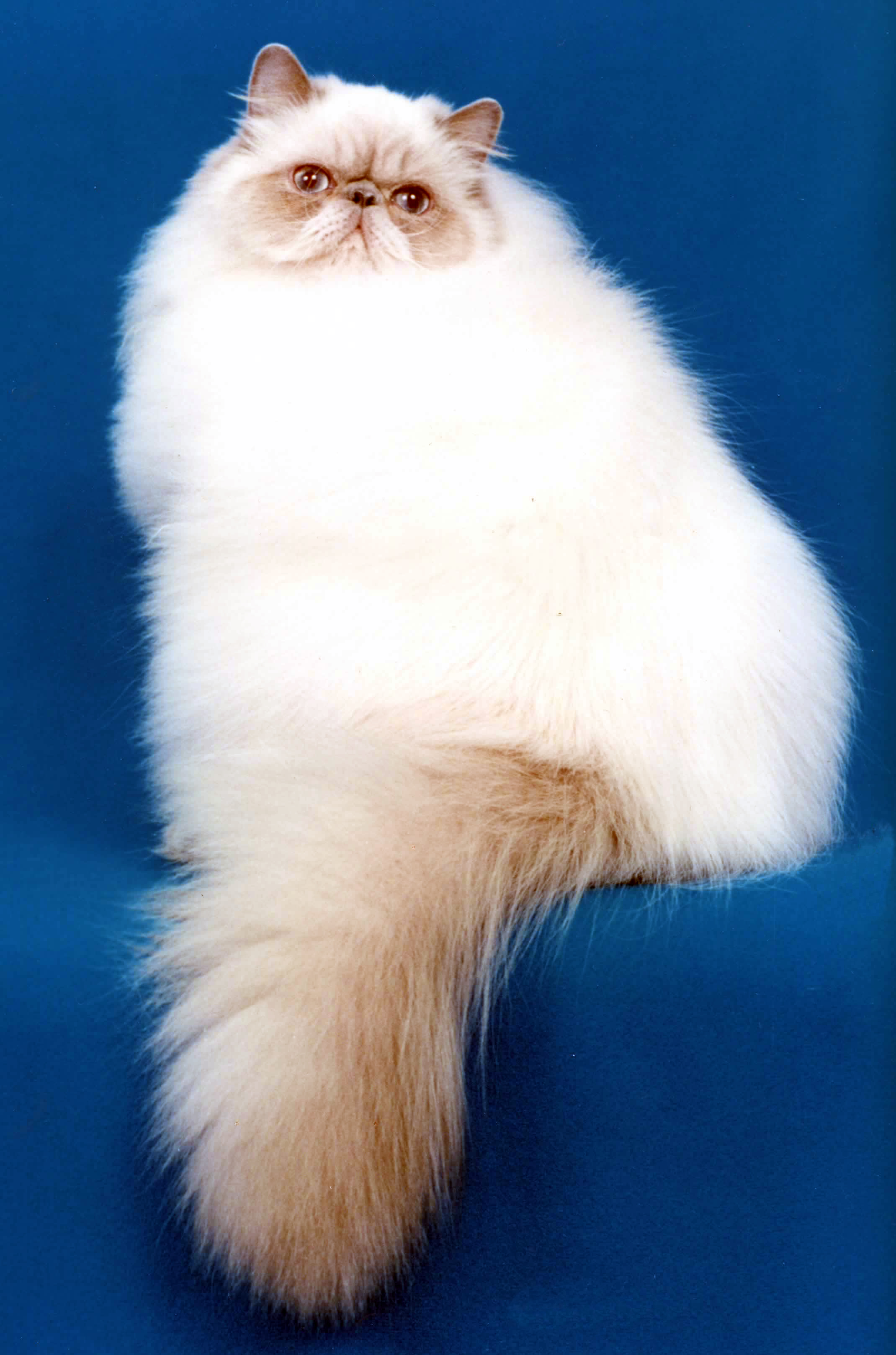
The Himalayan was created in the United States in the 1930s by crossing Persians with Siamese cats to produce the Persian's luxurious long coat in the Siamese's color-point pattern. Recognized as a distinct breed by many cat registries, it shares the Persian's flat face, calm temperament, and large, round body. Himalayans are gentle, quiet, and affectionate, preferring calm indoor environments with their devoted owners.
Ideal Weight
3-5.5 kg
Height
25-35 cm
Activity Level
Low (Couch Potato)
Life Expectancy
9-15 yrs
Feeding Guide
Himalayans are prone to obesity and should be fed measured, portion-controlled meals rather than allowed to free feed. Their brachycephalic facial structure makes shallow or flat dishes more comfortable for eating. A high-quality diet with omega fatty acids supports their magnificent long coat.
Water Needs
Himalayans share the Persian's susceptibility to polycystic kidney disease and should have constant access to fresh water. A water fountain may encourage drinking; incorporating wet food into their diet also helps maintain kidney-supportive hydration.
Exercise Guide
Himalayans are low-energy cats satisfied with gentle indoor play sessions of 10–15 minutes daily. They are not acrobatic climbers and prefer floor-level or low-platform play. Their calm nature means they do not demand vigorous exercise but still benefit from daily stimulation to prevent obesity.
Common Health Issues in Himalayans
- Polycystic kidney disease (PKD)
- Brachycephalic airway syndrome
- Dental malocclusion
- Hypertrophic cardiomyopathy
- Eye discharge and tear staining
These are conditions commonly associated with the breed, not a diagnosis for your individual pet.
Himalayan Calorie Calculator
Estimated Daily Calories
212 kcal
0.6
Cups / day
73
Grams / day
Based on a generic 350 kcal/cup food. Use the full Calorie Calculator to enter your food's exact calorie density.
Himalayan FAQs
How much should I feed a Himalayan?
Himalayans are prone to obesity and should be fed measured, portion-controlled meals rather than allowed to free feed. Their brachycephalic facial structure makes shallow or flat dishes more comfortable for eating. A high-quality diet with omega fatty acids supports their magnificent long coat. For a personalized daily calorie and portion estimate based on your Himalayan's exact weight, age, and activity level, use the calculator above or our full Calorie Calculator.
How much exercise does a Himalayan need?
Himalayans generally have low exercise needs. Himalayans are low-energy cats satisfied with gentle indoor play sessions of 10–15 minutes daily. They are not acrobatic climbers and prefer floor-level or low-platform play. Their calm nature means they do not demand vigorous exercise but still benefit from daily stimulation to prevent obesity.
How much water does a Himalayan need?
Himalayans share the Persian's susceptibility to polycystic kidney disease and should have constant access to fresh water. A water fountain may encourage drinking; incorporating wet food into their diet also helps maintain kidney-supportive hydration. As a general guideline, most cats need roughly 50-60 ml of water per kg of body weight daily -- use our Water Intake Calculator for an estimate based on your pet's exact weight.
What health issues are common in Himalayans?
Himalayans are commonly associated with Polycystic kidney disease (PKD), Brachycephalic airway syndrome, Dental malocclusion, Hypertrophic cardiomyopathy, and Eye discharge and tear staining. This is general educational information, not a diagnosis -- regular veterinary checkups are the best way to catch and manage breed-related conditions early.
How big does a Himalayan get?
A fully grown Himalayan typically weighs 3.0-5.5 kg (7-12 lbs) and stands about 25-35 cm (10-14 in) tall at the shoulder, with a typical life expectancy of 9-15 years.
Medical Disclaimer
This tool provides general, educational estimates and is not a substitute for professional veterinary advice, diagnosis, or treatment. Breed-based estimates for the Himalayan are general guidance and vary by individual dog or cat. Always consult your veterinarian about your pet's specific health needs before making changes to their diet, water intake, or care routine.
Related Cat Breeds
Compare the Himalayan to Another Breed
From the Blog
Himalayan Feeding Guide
Practical daily feeding guidance for the Himalayan cat — covering portion sizes, brachycephalic eating considerations, coat-supportive nutrition, and managing the breed's tendency toward obesity.
Himalayan Ideal Weight Guide
The ideal weight range for Himalayan cats, how their Persian-style cobby build affects body condition assessment, and how to recognize excess weight under that magnificent coat.
Himalayan Growth Chart: What to Expect
Growth milestones for Himalayan kittens from birth through adulthood, including weight benchmarks and when this Persian-derived breed reaches its full, plush size.
Himalayan Kitten Guide
Everything you need to know about feeding, growing, and caring for a Himalayan kitten — from the first weeks of life through the first year.
Himalayan Senior Care Guide
How to care for an aging Himalayan cat — including when the breed enters senior life, which health issues to watch for, and how nutrition and environment should adapt.
More Tools
Calorie Calculator
Full calorie calculator with custom food density.
Weight Checker
Check if your Himalayan is at a healthy weight.
Body Condition Score Calculator
Assess your Himalayan's body condition with a simple visual score.
Cat Age Calculator
Convert your Himalayan's age into human years.
Water Intake Calculator
Estimate how much water your Himalayan needs daily.
All Cat Breeds
Browse the top 20 cat breeds.