
Compare Dog Breeds
Choose up to 4 dog breeds to see their stats side by side.

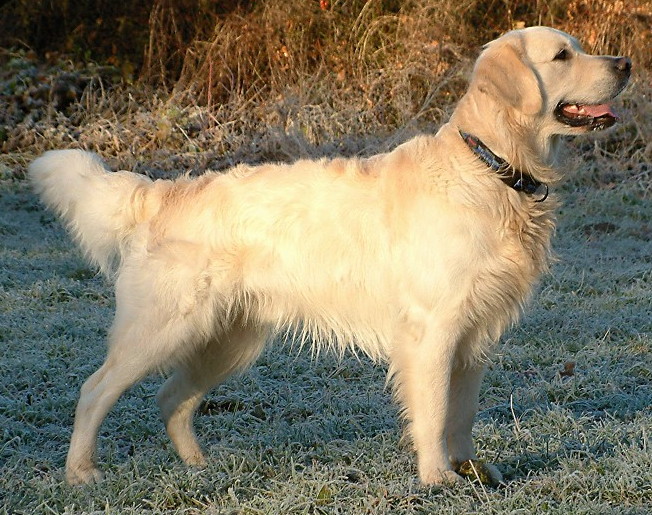
- Ideal Weight
- 25-36 kg
- 25-34 kg
- Height
- 55-62 cm
- 51-61 cm
- Activity Level
- High (Working/Athletic)
- High (Working/Athletic)
- Life Expectancy
- 10-12 yrs
- 10-12 yrs
- Feeding Needs
- Labradors are highly food-motivated and prone to obesity, so portion control is essential. Adults typically require 2.5–3 cups of high-quality dry food split into two meals per day, adjusted for activity level and body condition. Avoid free-feeding and monitor treat intake closely to prevent unhealthy weight gain.
- Golden Retrievers have a tendency toward weight gain and should be fed measured portions twice daily rather than free-fed. Adults generally do well on 2–3 cups of high-quality kibble per day depending on size and activity. Their love of food makes them great candidates for positive reinforcement training, but treats should be factored into daily caloric limits.
- Water Needs
- As an active, high-energy breed, Labs need consistent access to fresh water throughout the day, especially after exercise. Their enthusiasm for activity means dehydration can occur quickly in warm weather.
- Goldens are active dogs that require plenty of fresh water, particularly after exercise or play sessions outdoors. Their thick double coat can make them susceptible to overheating in hot conditions, so hydration is especially important in summer.
- Exercise Needs
- Labrador Retrievers need at least 60–90 minutes of vigorous exercise daily to stay healthy and prevent destructive boredom behaviors. They thrive with swimming, fetching, running, and structured play. Mental stimulation through training or puzzle toys should complement physical activity.
- Golden Retrievers require at least 60 minutes of exercise per day, ideally split into two sessions. They love swimming, fetching, hiking, and agility activities. Without adequate daily exercise, they may develop anxiety or destructive habits.
- Common Health Issues
- Hip and elbow dysplasia, Obesity, Exercise-induced collapse (EIC), Progressive retinal atrophy (PRA)
- Hip dysplasia, Cancer (higher incidence than many breeds), Heart issues (subvalvular aortic stenosis), Skin conditions and allergies
Medical Disclaimer
This tool provides general, educational estimates and is not a substitute for professional veterinary advice, diagnosis, or treatment. Breed comparisons are general guidance based on typical breed standards and vary by individual dog or cat. Always consult your veterinarian about your pet's specific health needs before making changes to their diet, water intake, or care routine.