Compare Dog Breeds
Choose up to 4 dog breeds to see their stats side by side.

- Ideal Weight
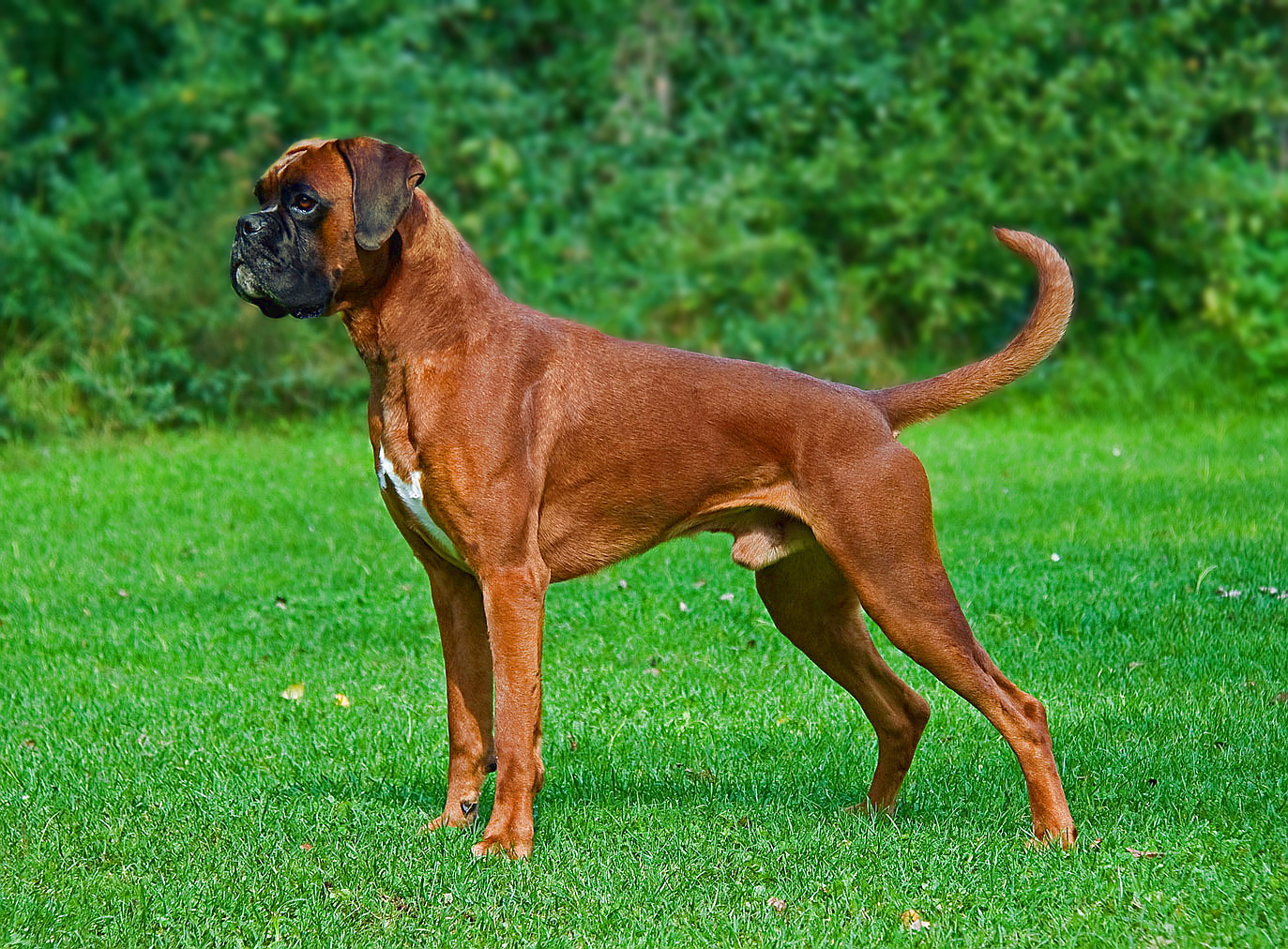
- 25-32 kg
- 18-25 kg
- Height
- 53-63 cm
- 31-40 cm
- Activity Level
- High (Working/Athletic)
- Low (Couch Potato)
- Life Expectancy
- 10-12 yrs
- 8-10 yrs
- Feeding Needs
- Boxers are prone to obesity and bloat, so feeding two portioned meals daily rather than free-feeding is strongly advised. Avoid feeding immediately before or after exercise to reduce bloat risk. A diet rich in lean protein supports their muscular physique.
- Bulldogs are prone to obesity due to their low activity level, so controlled portion sizes and a diet appropriate for their weight are essential. Two small meals per day are preferable to one large meal to reduce digestive strain. Elevated food bowls and slow-feeder dishes can help reduce the air intake common in flat-faced breeds.
- Water Needs
- Boxers are a brachycephalic breed and can overheat quickly; ensure they always have access to cool, fresh water, especially during and after exercise in warm conditions.
- Bulldogs are a brachycephalic breed, meaning their shortened airways make temperature regulation difficult. Cool, fresh water must always be available, and extra care should be taken to keep them hydrated and cool in warm or humid environments.
- Exercise Needs
- Boxers need at least 1–2 hours of active exercise daily, including running, fetch, and interactive play. Their brachycephalic anatomy means outdoor activity in extreme heat should be limited and monitored carefully.
- English Bulldogs need only about 20–40 minutes of gentle daily exercise such as leisurely walks or calm play. Strenuous activity should be avoided, especially in heat, due to their compromised airway anatomy. Short, frequent outings are better tolerated than long, continuous exertion.
- Common Health Issues
- Aortic Stenosis, Dilated Cardiomyopathy, Hip Dysplasia, Degenerative Myelopathy, Bloat (GDV)
- Brachycephalic obstructive airway syndrome (BOAS), Hip dysplasia, Skin fold infections, Cherry eye
Medical Disclaimer
This tool provides general, educational estimates and is not a substitute for professional veterinary advice, diagnosis, or treatment. Breed comparisons are general guidance based on typical breed standards and vary by individual dog or cat. Always consult your veterinarian about your pet's specific health needs before making changes to their diet, water intake, or care routine.