
Non-Sporting · Rank #4 Most Popular Dog Breed
French Bulldog
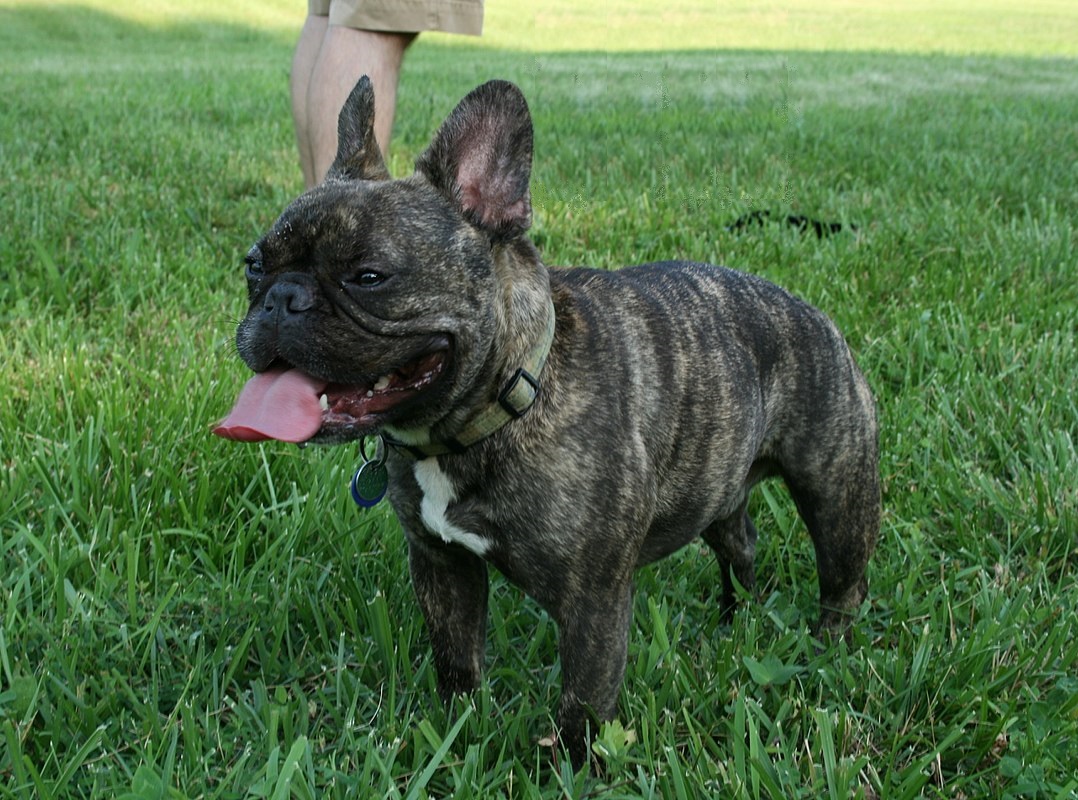
The French Bulldog descended from English Bulldogs brought to France by lace workers during the Industrial Revolution, where the breed was refined into a smaller, companion-focused dog. Distinguished by their bat-like ears and compact, muscular build, Frenchies are adaptable and thrive in urban environments. They are known for their affectionate, playful personalities and strong bonds with their owners.
Ideal Weight
8-14 kg
Height
28-33 cm
Activity Level
Low (Couch Potato)
Life Expectancy
10-12 yrs
French Bulldog History
The French Bulldog descends from small "toy" Bulldogs bred in England during the Industrial Revolution, which were brought to France by Nottingham lace workers who relocated for work in the mid-1800s. In France, breeders crossed these small Bulldogs with local Parisian ratter breeds, developing the distinctive upright "bat ears" that distinguish the Frenchie from its English Bulldog ancestors. The breed became a fashionable companion among Parisian society, including artists and society women, and its popularity later spread to the United States, where American breeders further standardized and popularized the erect-ear type. The French Bulldog Club of America was founded in 1897, and after decades as a niche companion breed, the Frenchie's popularity has surged dramatically in the 21st century, becoming one of the most popular dog breeds in the United States.
Appearance
French Bulldogs are compact, muscular dogs with a distinctive "bat ear" -- large, rounded, and erect -- that sets them apart from other bulldog breeds. They have a flat, wrinkled face, a short snout (a brachycephalic trait shared with Pugs and English Bulldogs), a broad chest, and a stocky, well-muscled body. Despite their small size, Frenchies are surprisingly heavy for their frame due to their dense bone structure and musculature.
Personality & Temperament
French Bulldogs are affectionate, playful, and highly attached to their people, often described as "clown-like" for their comedic antics and expressive faces. They tend to be adaptable and do well in apartments and smaller living spaces, and their moderate energy level and small size make them popular companions for a wide range of households, from singles to families. Frenchies can be somewhat stubborn, a trait inherited from their bulldog ancestry, but their eagerness to be close to their owners generally makes training manageable with patience.
Intelligence
French Bulldogs are moderately intelligent with a strong social intelligence -- they read human emotions and cues well and are highly attuned to their owners -- though they rank lower on traditional obedience-based intelligence scales, partly due to their independent, sometimes stubborn streak rather than a lack of cognitive ability.
Trainability
Frenchies can be trained successfully with patient, consistent, reward-based methods, though their stubborn streak means training sessions should be kept short, engaging, and high-value. They respond best to food rewards and praise, and housetraining in particular can take longer than average and requires consistency. Their brachycephalic build also means physically demanding training exercises should be avoided.
Feeding Guide
French Bulldogs are prone to obesity, so carefully measured meals twice a day are recommended over free-feeding. Their brachycephalic (flat-faced) anatomy means they can swallow excess air while eating; using a slow-feeder bowl can help reduce gas and discomfort. High-quality food appropriate for small-to-medium breeds supports their compact, muscular frame.
Water Needs
Due to their brachycephalic airway structure, French Bulldogs are particularly susceptible to overheating and heat stroke, making constant access to cool, fresh water critical—especially in warm weather or after any exercise.
Exercise Guide
French Bulldogs need only moderate, low-intensity exercise—around 20–30 minutes of walking per day is generally sufficient. Their flat faces limit their ability to breathe efficiently during strenuous activity, so exercise should be kept calm and avoided in hot or humid conditions.
Want an exact daily calorie target? Use the full Calorie Calculator or check hydration needs with the Water Intake Calculator.
Common Health Issues in French Bulldogs
- Brachycephalic obstructive airway syndrome (BOAS)
- Hip dysplasia
- Intervertebral disc disease (IVDD)
- Skin fold dermatitis
These are conditions commonly associated with the breed, not a diagnosis for your individual pet.
Curious how age affects your French Bulldog's health risk profile? Try the Dog Age Calculator to see their age in human years.
Grooming Needs
French Bulldogs have minimal grooming needs for their short, smooth coat, requiring only weekly brushing to remove loose hair. However, their facial and body wrinkles need regular cleaning and drying (every few days) to prevent moisture buildup, bacterial growth, and skin fold dermatitis. Nail trims, ear cleaning, and dental care round out routine maintenance, and their nails should be checked more frequently since Frenchies tend to wear them down less than more active breeds.
Coat & Colors
The breed's coat is short, smooth, and fine, requiring no trimming or stripping. Recognized colors include brindle, fawn, cream, and pied (white with patches), with brindle being the most historically common. Rarer colors like blue, chocolate, and merle exist but are considered non-standard by major kennel clubs and are sometimes linked to additional health concerns.
Is a French Bulldog Right for Your Household?
Good with Children
High
French Bulldogs generally do well with children, offering a sturdy, playful companion suited to family life, though their brachycephalic build means they can overheat quickly during rough or prolonged play.
Good with Dogs
Moderate
Most Frenchies get along fine with other dogs, especially with proper socialization, though some can be selectively particular about canine companions.
Good with Cats
Moderate
French Bulldogs typically coexist well with cats, particularly when introduced gradually and raised together from a young age.
Indoor vs. Outdoor Living
French Bulldogs are strictly an indoor breed. Their brachycephalic airway makes them highly vulnerable to heatstroke and breathing distress, so they should never be left outside unsupervised, especially in warm weather, and are well suited to apartment living given their modest exercise needs.
Climate Suitability
This breed struggles significantly in hot and humid climates due to their shortened airway, and can also be sensitive to cold given their short coat and lack of insulating body fat -- a sweater in cold weather and air conditioning in hot weather are often necessary.
Pros of the French Bulldog
- Compact size well suited to apartments and smaller homes
- Affectionate, playful, and highly people-oriented
- Low exercise requirements compared to most breeds
- Minimal coat-shedding grooming effort
- Generally good with children and adaptable to various households
Cons of the French Bulldog
- Prone to serious brachycephalic breathing problems (BOAS)
- Cannot tolerate heat well and overheats easily
- Often cannot swim due to body proportions -- close supervision near water is essential
- Prone to skin fold infections requiring regular cleaning
- Higher veterinary costs due to breed-specific health issues, including a higher likelihood of needing a C-section to give birth
French Bulldog Calorie Calculator
Estimated Daily Calories
576 kcal
1.6
Cups / day
197
Grams / day
Based on a generic 350 kcal/cup food. Use the full Calorie Calculator to enter your food's exact calorie density.
Fun Facts About the French Bulldog
- French Bulldogs became the AKC's most registered dog breed in the United States in 2022, overtaking the Labrador Retriever after decades of Lab dominance.
- Their signature "bat ears" were originally considered a fault by early breed standards modeled on the English Bulldog, before American fanciers embraced and standardized the trait.
- Most French Bulldogs cannot swim due to their heavy, front-loaded body structure and short snouts, making pet life vests important around pools or open water.
- Due to the width of their heads relative to the birth canal, a large proportion of French Bulldog litters are delivered via planned Cesarean section.
French Bulldog FAQs
How much should I feed a French Bulldog?
French Bulldogs are prone to obesity, so carefully measured meals twice a day are recommended over free-feeding. Their brachycephalic (flat-faced) anatomy means they can swallow excess air while eating; using a slow-feeder bowl can help reduce gas and discomfort. High-quality food appropriate for small-to-medium breeds supports their compact, muscular frame. For a personalized daily calorie and portion estimate based on your French Bulldog's exact weight, age, and activity level, use the calculator above or our full Calorie Calculator.
How much exercise does a French Bulldog need?
French Bulldogs generally have low exercise needs. French Bulldogs need only moderate, low-intensity exercise—around 20–30 minutes of walking per day is generally sufficient. Their flat faces limit their ability to breathe efficiently during strenuous activity, so exercise should be kept calm and avoided in hot or humid conditions.
How much water does a French Bulldog need?
Due to their brachycephalic airway structure, French Bulldogs are particularly susceptible to overheating and heat stroke, making constant access to cool, fresh water critical—especially in warm weather or after any exercise. As a general guideline, most dogs need roughly 50-60 ml of water per kg of body weight daily -- use our Water Intake Calculator for an estimate based on your pet's exact weight.
What health issues are common in French Bulldogs?
French Bulldogs are commonly associated with Brachycephalic obstructive airway syndrome (BOAS), Hip dysplasia, Intervertebral disc disease (IVDD), and Skin fold dermatitis. This is general educational information, not a diagnosis -- regular veterinary checkups are the best way to catch and manage breed-related conditions early.
How big does a French Bulldog get?
A fully grown French Bulldog typically weighs 8.0-14.0 kg (18-31 lbs) and stands about 28-33 cm (11-13 in) tall at the shoulder, with a typical life expectancy of 10-12 years.
Why do French Bulldogs have breathing problems?
French Bulldogs are a brachycephalic (flat-faced) breed, meaning their skull shape compresses the airway, nostrils, and soft palate. This can cause brachycephalic obstructive airway syndrome (BOAS), leading to snoring, exercise intolerance, and a heightened risk of heatstroke and breathing distress.
Can French Bulldogs go on long walks or runs?
No. French Bulldogs should stick to short, gentle walks, particularly in warm weather, and should never be pushed into vigorous or prolonged exercise, which can trigger dangerous overheating or breathing distress due to their compressed airway.
Are French Bulldogs expensive to own?
Yes, relative to many breeds. French Bulldogs often carry a higher purchase price and higher lifetime veterinary costs due to a predisposition toward airway surgery, skin issues, spinal problems, and complicated deliveries.
References
Medical Disclaimer
This tool provides general, educational estimates and is not a substitute for professional veterinary advice, diagnosis, or treatment. Breed-based estimates for the French Bulldog are general guidance and vary by individual dog or cat. Always consult your veterinarian about your pet's specific health needs before making changes to their diet, water intake, or care routine.
Related Dog Breeds
Compare the French Bulldog to Another Breed
From the Blog
How to Transition Your Dog to a New Food Without Stomach Upset
Switching dog food too quickly is one of the most common causes of diarrhea and vomiting in otherwise healthy dogs. Here's a gradual transition schedule that actually works.
French Bulldog Feeding Guide
French Bulldogs are prone to obesity and have brachycephalic anatomy that affects how they eat. This guide covers daily portion sizes, meal structure, and breed-specific feeding considerations for Frenchies at every life stage.
French Bulldog Ideal Weight Guide
French Bulldogs have an ideal weight range of 8–14 kg (18–31 lb), but their dense, compact build makes visual assessment tricky. This guide explains how to tell if your Frenchie is at a healthy weight.
French Bulldog Growth Chart: What to Expect
French Bulldogs are a small breed that matures relatively quickly, typically reaching their adult weight by 10–12 months. Here is what healthy growth looks like from puppyhood through young adulthood.
French Bulldog Puppy Guide
Raising a French Bulldog puppy means navigating their brachycephalic needs, feeding a small-breed puppy diet, and keeping exercise gentle during development. This guide covers everything to expect in the first year.
French Bulldog Senior Care Guide
French Bulldogs are generally considered senior from around 8 years of age. This guide covers the health issues most likely to emerge in older Frenchies, and how to adjust their feeding, exercise, and care routine accordingly.
More Tools
Calorie Calculator
Full calorie calculator with custom food density.
Weight Checker
Check if your French Bulldog is at a healthy weight.
Body Condition Score Calculator
Assess your French Bulldog's body condition with a simple visual score.
Dog Age Calculator
Convert your French Bulldog's age into human years.
Water Intake Calculator
Estimate how much water your French Bulldog needs daily.
All Dog Breeds
Browse the top 50 dog breeds.